My son was diagnosed when he was 7. It made me think that many of his struggles were also my struggles: I have always felt anxious around people, never knowing what to say and never feeling I fit in.
School pick ups are terrible for me, I see people chatting with ease. Sometimes I try to chat too but the conversation moves so fast I can’t keep up. I find it hard to work out what people are really saying and how they are feeling. It all feels so confusing and exhausting!
At family gatherings, I busy myself in the kitchen or play with the children which feels more comfortable to me than making conversation with the other adults.
When I saw the changes and support my son has received since his diagnosis, especially at school- I thought, perhaps If I look at this for myself, perhaps I can help him better… I might also feel more comfortable in my skin, with who I am and maybe even feel ok to go back to college…
It is a year now since my diagnosis and I am making sense of my life until now. I feel my husband is more understanding if I don’t want to go to a gathering or if we just go for a short time. I feel less pressured, more free and light. I have enrolled on a horticulture diploma-part time- a love I have always had!

I’ve always thought myself a bit of a tech nerd and enjoy hanging out with friends with similar interests at school and since. I fit in with them. It works.
I studied Computer Science at university and after a few years of working in the industry have started my own start-up. It’s going ok and I’m glad I have work I enjoy.
Things got tough though in my relationship with Veronica. We were really happy at the start. We both love anime, computer games and our house-rabbit, Fluff. We moved in together. That’s when things changed. She gets annoyed when I work at weekends or late into the evening. I’m not sure what she wants a lot of the time. I try to go along with what she asks (I hate conflict) but then she says it’s like I don’t have a mind of my own.
When she gets upset, I feel so overwhelmed I just freeze. I often go to my office and work a bit more to calm down and take my mind off it but this seems to make it worse for her. I need help to understand how to communicate with her and to work out my own feelings (and cope with them!).
My friend suggested that I may be autistic and that this could be part of why I’m struggling. I admit, it was a relief to talk to a professional who gets this stuff. I’m not interested in a formal diagnosis but I do want to feel ok with who I am and feel more at ease with Veronica. I am learning about autism and how I can tune into my feelings, what I need and how to express things more clearly. Veronica says she’s glad she understands what’s going on now and has come to a session too. We feel more optimistic that we can sort things out between us.
I’m Xavi. I was diagnosed with autism at age 14 because I refused to go to school. I was anxious all the time, I was diagnosed with dyslexia aged 8 and found the reading/ writing stuff difficult. I only enjoyed the music lessons anyway. So my mum and dad said I could be home-schooled. That was much better for me. I did some learning online and some with tutors but I loved being at home where things felt safe and familiar to me and I could be with my cat.
Then around puberty I started to feel pretty confused about myself. Like not really wanting to identify as male, feeling like all those norms weren’t for me, I started to feel uncomfortable in my body with the changes. It was starting to make me feel depressed. My parents took me to the GP and I was referred to a gender identity clinic. There were lots of options but my parents suggested I have some space with a psychologist to think things through before going down the medical route..
The psychologist helped me feel safe to explore and get curious about how I feel about myself. She helped me realise I didn’t need to rush into making conclusions about how I might define myself (something my brain really wanted to do because I don’t like uncertainty- at all!). I wanted to work out how I can say in words how I have felt inside for a long time. I like the term ‘gender vague’ because it helps me understand my gender identity in the context of my neurodiversity. I am also starting to think about ‘non-binary’ and ‘gender fluid’ as ways of describing how I feel about all that.
I belong to an online community of trans/non-binary/ agender folks, some are also autistic and it feels good to be able to support each other. It makes me feel I don’t need to hide or change who I am.
My parents also came in on the psychology sessions a bit. It’s been tough on them, trying to explain things to my grandparents who are a bit ‘old-school’ who think all of this is “just a phase”. I know it’s a bit hard for them to understand, but that phrase…it makes me feel invisible.
Anyway, I’m starting to feel like I can be real, myself and have applied to university to do Music. Spanish Guitar is my thing and I’m hoping to find some like-minded musical folks to hang out with when I get there.
My autism diagnosis means I also get some extra support at uni- you know adjustments to sitting in the lecture halls, accommodation in a quiet block (with an ensuite and kitchenette so I can do what I need to do without having to make chit-chat or be around other people too much). I’ve also been offered a mentor who I can meet with and get help planning/ organising the work which I can struggle with.
Also, big share…I have been dating this guy for a few weeks and he appreciates me for who I am which has given me a massive boost.
I am recently retired after a long career as an engineer.
I’ve struggled with retirement. I missed the structure and focus work gave me. My mortgage is paid off and I felt a bit lost. I struggled with this new change of pace and life. It made me feel quite low really.
Kath, my wife (of 40 years) would try to cajole me into activities and socialising. I suppose I didn’t want to let her down so I went along with it. It was the salsa class that did it. I just froze on the spot, I couldn’t move or speak. It was all too much.
That’s when our daughter raised the possibility I might be autistic and so I looked into it.
At my time of life I’m not so worried about a diagnosis, I just want to understand myself.
Some sessions have helped me realise that structure, routine and a sense of purpose have kept me on track all my life. My work has been my interest and contact with colleagues and my family was just enough. It helped me realise that I needed to find a new version of this and perhaps it was too much change all at once.
Kath has come in on the sessions. It’s helped her realise it’s not just me being grumpy but genuinely that I can’t do all the activities she enjoys. We are learning to negotiate our retirement and the things we can do together. I decided to get a dog, a border collie, Pip. I’m enjoying training her and going for long walks in the countryside. Sometimes Kath comes and we get a pub lunch together. I’ve also decided to mentor new engineers which feels a nice way to help the next generation and makes use of my experience.
Now the only salsa I get involved with has nachos with it!
I’ve had a chequered past.
Growing up was tough and there was violence at home. I didn’t find school easy, I couldn’t focus and so I messed about and got into trouble. “Jay has issues with authority” and “Jay is intelligent and capable but lacks focus” featured on most of my school reports.
I’ve started to understand recently that my neurodiversity combined with the traumatic stuff at home made it pretty hard to achieve at school. Mainly I just wanted to fit in with the popular kids and so I buried my real interests (in art and design) and tried to be the “tough guy” at school. I had brushes with the law and a suspended sentence for possession. I was self-medicating with all sorts of stuff and hanging out with some pretty dangerous people.
A few years ago I was diagnosed with ASD and ADHD by a psychiatrist who prescribed medication which has really helped me focus and get shit done. I trained as a tattoo artist and got some work experience.
In therapy I worked on addressing the left over trauma from my childhood and the impact of hiding my neurodiversity and the ‘hidden cost’ of it on my childhood self- ‘Little Jay’. I had to learn about his feelings and needs and how to take care of that part now by being supportive and guiding and learning ‘Healthy Adult’ habits.
All of the work has helped me build up my life: ’Misfits Tattoo Lounge’ is in it’s third year of trading, we turn a profit and I’m proud of the work I do and the designs I create. Some customers have shared similar stories: their paths have been rocky like mine. It’s good to feel understood by other people, not cast out or different anymore.
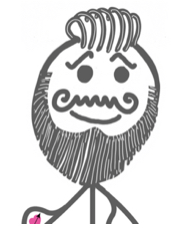
I am ‘D’ and identify as a gay, intersectional feminist.
Until my recent autism diagnosis, I have been in and out of the mental health services. I’ve been diagnosed with Borderline Personality Disorder (BPD- not so fond of that label!) I had massive emotional blow outs and would self-harm; Bipolar Disorder (because I would spend a lot of time on my interests and get really excited about them, tire myself out and then CRASH). I’d feel so anxious and depressed too! In the past, I’ve taken medication, been in group therapy and even went on a mindfulness retreat…none of it really worked for me.
I’ve had problems at work for years: getting on with colleagues and people in authority. I’ve been told I “struggle to work as part of a team”; that I can be “inflexible and demanding” and sometimes have had a few blow outs at work when I perceive that others haven’t delivered on their promises or have compromised on their values. Social justice is a big thing for me. My attention to detail has been a big strength in my career: I got a PhD in Women’s Studies and work as a Researcher in a university. I love my job but lately problems with colleagues have resulted in some issues being raised with my “conduct at work”.
It’s really hard for me to explain the impact of my autism to other people. I am needing to work in therapy on trying to keep my emotions more steady and plan healthy, calm ways of communicating. My diagnosis and some post-diagnostic sessions have really helped. I feel I’m starting to understand and appreciate myself more and be gentler on myself (and others!). My boss has really tried to understand things and make more adjustments for me at work (fewer meetings!) which has also really helped take the pressure off. I’m realising that the neurotypical way isn’t necessarily the ‘right’ way and that I don’t need to fundamentally change myself…maybe we just all need to work harder to understand each other.
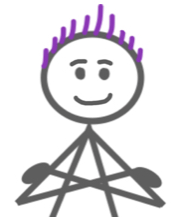
School was not a good experience for me. All the noise, smells and crowds in the corridors, the constantly changing lessons and teachers and the homework….don't get me started on the homework 🙁
I know I’m bright but for once I just couldn’t keep up with it all. I was exhausted, it was like there was cotton wool in my brain, I couldn’t focus. What’s more, my bestie, Holly left in Year 9 and then I felt SO ALONE!!! I’d just about cope all day at school, you know, pretending to be ok, smiling and nodding in all the right places and then when I got home…WHOA!!! It would all come out. I would cry, hit myself, shout at my mum because I just had all this yuck inside me I couldn’t explain and I didn’t want to do it all again the next day.
That’s when my mum got in touch with the psychologist. I was NOT KEEN to go and see this person, let me tell you. We talked on the phone first and she reassured me it was my choice and that I wouldn’t have to talk too much or make eye contact if that felt easier. That reassured me. When we met, she explained I might be struggling to cope with my feelings and school because of neurodiversity. Well, I went away and looked it up on TikTok and there were other people you know, going through the same stuff….
It was up to me about having an assessment to get diagnosed but I was reading it could help. Basically, I didn’t want to feel like this for the rest of my life.
Guess what?… I’m autistic after all.
I’m starting to understand now why school was too much and I’m getting more support at college. I have a quiet place to go at lunch and someone who helps me plan and cope with (not too much!) homework.
The psychologist also thinks I might have Attention Deficit Hyperactivity Disorder (that’s ADHD to you and me!) so I’m going to see this psychiatrist bloke to maybe get some medication to help me focus and ‘put the brakes on’ when I feel overwhelmed. I am learning some emotional coping skills too..breathing, calming my body, taking time to work out what to say.
You’ll never believe this…I also have 2 new besties 🙂 who also have autism and ADHD. Who would have thought? We get each other!
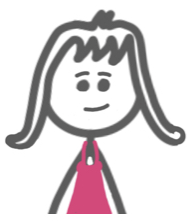
I’ve been told “You don’t look autistic”- what does that mean?
I’m Tara, I was diagnosed at 21 after I got my dream graduate job in advertising. The hours were long and the work was demanding, I was putting in 150%, meeting deadlines and trying to manage the client facing stuff and then I just couldn’t get up one morning, I felt so exhausted and I started calling in sick.
That’s when I watched a programme on TV about women and girls with autism and it really sounded like me… I looked into getting an assessment.
Since my diagnosis I’ve had some Schema Therapy adjusted for my autism needs. It helps address longstanding ‘complex trauma’ and other conditions you can end up having when the trauma isn’t treated.
Schema Therapy has helped me realise that the problems started a long time ago: I was bullied at school and online, I was diagnosed with OCD as a teenager after I was assaulted in a park by a group of boys I thought were my friends.
My parents were supportive but they didn’t know I was autistic either.
Since then I’ve just tried to push myself to succeed at life.
Kim Kardashian is a massive role model to me: she is a successful, attractive woman so I’ve tried to copy her in lots of ways and try to look/ dress like her. I would spend hours each day following Kim and her latests posts and trends. My psychologist has said that Kim is a special interest to me and that following Kim has been a way of building my female and adult self instead of tolerating uncertainty or anxious feelings. She has also encouraged me to explore and try some new things for myself that are not to do with Kim K- a ‘Healthy Autistic Adult Tara’.
We have been working on changing some unhelpful coping patterns about my body image and eating patterns. I have started to think I don’t need Kim so much anymore…
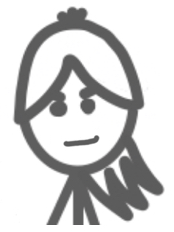
People see the wheelchair not my autism so I’ve had to work harder to try to explain what that means for me: I struggle to understand where people are coming from if they aren’t clear in their words or body language. It takes me time to work out what they might be trying to say.
My psychology sessions have helped me realise that I don’t need to try so hard to ‘work out’ what people are trying to say: it’s a type of masking and it’s too effortful for me. It’s like saying I should work harder to close the gap in an interaction. Instead I’m learning to advocate for myself and say “Look, I’m autistic, could you explain what you meant when you said…” Mostly, I’ve had really understanding responses.
I recently found this quote that really helped me feel stronger in building this skill of self advocacy that I’ve been working on in therapy:
“Grant me the dignity of meeting me on my own terms- recognise that we are all equally alien to each other and that my ways of being are not merely damaged versions of yours”
Jim Sinclair, Autism Rights Activist.
It feels a whole load lighter not to carry around this pressure of having to ‘work out’ or ‘try harder to fit in’ with the norms of the neurotypical majority. I realise it’s a shared responsibility for all us humans to figure out each other.
I have always preferred my own company. I live alone with my three cats (Hob Nob; Custard and Coco). I enjoy crossword puzzles and going for walks with the local Ramblers group gives me a chance to be alongside other people.
After a long career at the local council as an administrator, I couldn’t really cope with all the changes and restructuring happening at work. I was caring for my elderly mother at the time. I got really depressed, was signed off sick and eventually decided to leave my job. My GP suggested that my life-long anxiety and depression may be related to autism and so I decided to get an assessment.
I suppose you might say I’m an autistic woman who was part of the ‘missed generation’ of women who weren’t diagnosed or who were diagnosed late in life. I think many of us have suffered in silence and haven’t always achieved our potential professionally or in relationships. That makes me feel very sad.
I have been trying to make sense of my diagnosis in therapy and work through feelings of grief and anger about the past. I’ve understood that I do want a romantic relationship- I have felt lonely for too long…they’ll need to like cats!
Working through my feelings has lead to me finding out how creative I am…I’ve written poems about my observations and experiences through life and have joined a small poetry writing group at the library. Expressing myself in writing is so much easier for me than in conversation. It’s nice to have that part of me appreciated by others in the group too.